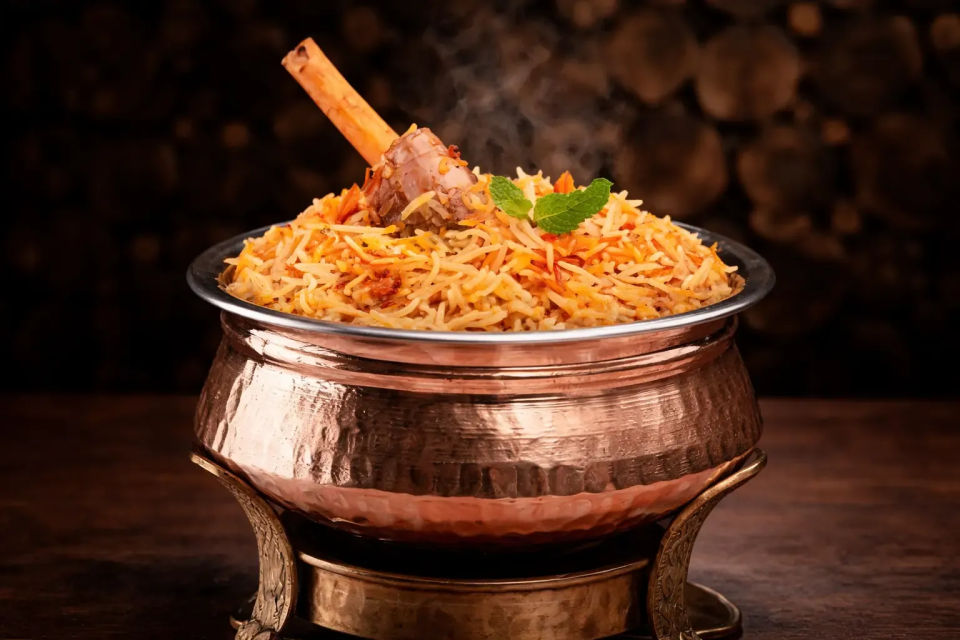
Over the past decade, American dining habits have shifted dramatically. Diners are no longer satisfied with generalized international cuisine. They are searching for specificity. Regional authenticity. Traditional preparation.
That shift has created space for something powerful:
South Indian biryani.
Once known primarily within Indian communities, South Indian biryani is now gaining recognition across the United States. From major cities to growing suburban communities like McKinney, interest in authentic Tamil biryani and dum-cooked rice dishes is steadily rising.
1️⃣ Americans Are Seeking Regional Authenticity
A decade ago, many restaurants outside India simplified menus to appeal to broad audiences. Today, that model is changing.
Search trends now reflect phrases like:
- Authentic Tamil biryani
- Dum biryani near me
- South Indian food in the US
- Regional Indian cuisine
Diners want more than “Indian food.” They want origin stories. They want technique. They want to understand how something is prepared.
South Indian biryani delivers that clarity.
It is rooted in Tamil Nadu culinary tradition. It uses specific rice varieties. It relies on structured dum cooking. It has identity.
That identity resonates strongly with modern American diners.
2️⃣ The Rise of Dum Cooking Appreciation
Food education in the US has increased significantly through:
- Cooking shows
- Food documentaries
- Social media
- Culinary travel content
Consumers now understand that slow cooking matters.
Traditional dum biryani where rice and protein are layered and sealed for steam cooking aligns perfectly with this appreciation for technique.
Dum cooking:
- Preserves aroma
- Integrates spices deeply
- Prevents excess oil
- Maintains rice structure
When Americans taste properly prepared South Indian biryani, they often notice it feels structured rather than greasy.
That distinction drives repeat demand.
3️⃣ Balanced Heat Appeals to Broader Audiences
South Indian biryani is bold but it is layered.
Instead of overwhelming heat, it builds gradually through:
- Whole spices
- Fresh herbs
- Curry leaves
- Ginger-garlic paste
- Measured chili usage
This controlled layering makes it accessible to diners who want spice depth without discomfort.
In many US cities, including growing food communities like McKinney, diners are increasingly comfortable with global flavors but they still appreciate balance.
South Indian biryani meets that expectation.
4️⃣ The Growing Indian-American Population
Demographic changes also play a major role.
The Indian-American population in the US has grown significantly over the past two decades. With that growth comes:
- Demand for authentic regional food
- Family-run restaurants preserving tradition
- Cultural pride in specific cuisines
South Indian biryani is no longer limited to home kitchens. It is being introduced to broader audiences through community-based restaurants and regional specialists.
In cities across Texas, this trend is particularly visible.
For example, diners exploring South Indian biryani McKinney options increasingly discover restaurants that specialize rather than generalize.
5️⃣ Rice-Based Meals Fit American Lunch and Dinner Culture
Biryani fits seamlessly into American dining routines.
It works for:
- Lunch meetings
- Family dinners
- Weekend gatherings
- Late-night comfort meals
South Indian biryani, especially when dum-cooked properly, feels complete on its own.
It offers:
- Protein
- Carbohydrates
- Spice depth
- Aroma
- Texture variation
This all-in-one structure appeals strongly to US diners who prefer balanced plates without needing multiple side dishes.
6️⃣ Health-Conscious Dining Influences Choice
Today’s diners are more mindful about how food feels after eating.
South Indian biryani when prepared traditionally often:
- Uses measured oil
- Relies on spice integration rather than heavy cream
- Maintains rice grain separation
- Avoids excessive surface grease
While it is not positioned as “diet food,” it often feels lighter than heavily sauced dishes.
This contributes to its growing reputation as a structured, digestible option.
The Influence of Social Media and Food Discovery
Visual platforms have amplified interest in South Indian biryani.
Images and videos showcasing:
- Steam rising from sealed pots
- Rice layered with herbs
- Dum cooking reveals
- Aroma-driven serving moments
Have sparked curiosity.
Food bloggers and local reviewers often highlight:
- Authentic Tamil biryani
- Traditional dum biryani
- Regional Indian cuisine
This digital exposure has accelerated awareness across the US.
Why Texas Is Seeing Strong Growth in South Indian Biryani
Texas, particularly, has become a hotspot for regional Indian cuisine growth.
Reasons include:
- Rapid suburban expansion
- Diverse population growth
- Strong South Asian communities
- Increased global food acceptance
In communities like McKinney, demand for authentic Indian dining McKinney residents can trust is steadily increasing.
That demand includes regional specificity not just generalized menus.
South Indian Biryani vs Generic Restaurant Versions
One key factor in growth is education.
Diners are beginning to recognize the difference between:
- Quick-prepared rice dishes
- Properly dum-sealed biryani
Authentic South Indian biryani emphasizes:
- Layering
- Sealed cooking
- Balanced spice distribution
- Traditional rice varieties
This structure creates a noticeably different experience — one that feels intentional rather than rushed.
As American diners become more informed, preference shifts toward authenticity.
Where to Experience South Indian Biryani in McKinney
For those exploring South Indian biryani McKinney options, one restaurant maintaining traditional preparation methods is:
Salem RR Biryani
Known for its focus on authentic Tamil-style preparation and dum cooking techniques, Salem RR Biryani reflects the broader national trend toward regional authenticity.
Diners frequently note:
- Balanced spice depth
- Proper dum execution
- Consistent aroma
- Structured rice texture
It represents how regional cuisine is gaining space in American suburban dining landscapes.
Cultural Storytelling Through Food
Another reason South Indian biryani is gaining popularity in the US is storytelling.
Food is no longer just consumption it’s cultural exploration.
When diners learn about:
- Tamil Nadu culinary heritage
- Dum cooking origins
- Traditional spice layering
- Regional rice varieties
The meal becomes an experience.
This experiential element increases loyalty and curiosity.
Frequently Asked Questions
Why is South Indian biryani becoming popular in the US?
Growing demand for regional authenticity, appreciation for dum cooking, and increased awareness of Tamil Nadu cuisine are driving its popularity.
What makes South Indian biryani different?
It emphasizes layered spice integration, dum cooking technique, and traditional rice varieties that absorb flavor deeply.
Is South Indian biryani available in suburban areas?
Yes. Cities like McKinney now have restaurants specializing in South Indian biryani, reflecting broader national trends.
Does dum cooking make a difference?
Yes. Dum cooking preserves aroma, balances spice distribution, and enhances texture integrity.
The Future of South Indian Biryani in America
The trajectory suggests continued growth.
As American diners:
- Seek authenticity
- Appreciate technique
- Explore regional cuisine
- Value balanced spice
South Indian biryani will likely continue expanding beyond niche markets into mainstream recognition.
It aligns with modern food values:
- Tradition
- Structure
- Depth
- Cultural identity
In places like McKinney where dining diversity is accelerating this trend is already visible.
Final Thoughts
South Indian biryani’s growth in the US is not accidental.
It reflects:
- Changing consumer preferences
- Increased culinary education
- Appreciation for traditional dum cooking
- Regional authenticity gaining recognition
From metropolitan hubs to suburban communities, diners are discovering that properly prepared biryani is more than rice and spice.
It is technique.
It is heritage.
It is layered flavor done intentionally.
And that’s exactly why its popularity continues to rise.
So what’s driving this growth?
Let’s explore