SALEM RR BIRYANI®

RESTAURANT | CATERING | DELIVERY

Order Direct from our Store

Tag: Seeraga Samba Mutton Biryani

  • Why Try Seeraga Samba Mutton Biryani at Salem RR Biryani?

    Why Try Seeraga Samba Mutton Biryani at Salem RR Biryani?

    Not every biryani is defined by long grains of basmati rice. In South Indian cooking, smaller aromatic rice varieties can create a different experience, with the grain carrying seasoning more closely. For diners looking for Seeraga Samba Mutton Biryani McKinney, the real question is simple: how does this style differ from the biryani they already know? 

    If you enjoy fragrant rice, concentrated spice, and tender goat meat in a dish where every spoonful feels integrated, Seeraga Samba rice is worth understanding before you order. 

    Table of Contents 

    • What Makes Seeraga Samba Mutton Biryani Different? 
    • Why is Seeraga Samba Rice used in Biryani? 
    • Is Seeraga Samba Biryani South Indian? 
    • When Looking for Seeraga Samba Mutton Biryani Near Me? 
    • How Should First-Time Diners Order It? 
    • Why Mutton and Seeraga Samba Rice Work So Well Together 
    • How to Order for Takeout, Families, and Groups 
    • Frequently Asked Questions 
    • A Rice Choice That Changes the Whole Biryani Experience 

    What Makes Seeraga Samba Mutton Biryani Different? 

    Seeraga Samba Mutton Biryani is different because it uses small, aromatic Seeraga Samba rice instead of long-grain basmati. The shorter grains tend to carry spice and meat flavors closely, creating a biryani that feels more compact, fragrant, and integrated rather than light and highly separated. 

    Basmati is known for long grains and fluffy, separated textures. Seeraga Samba rice is short-grained, aromatic, and more compact on the plate. In biryani, that difference changes how the seasoning is experienced. 

    A spoonful may deliver rice, masala, and mutton flavor together rather than keeping each element distinct. Diners comparing Seeraga Samba biryani with basmati biryani should therefore focus on texture and flavor style, not which grain is universally better. 

    Why is Seeraga Samba Rice used in Biryani? 

    Seeraga Samba rice is used for biryani because its compact grains are aromatic and well suited to absorbing seasoned cooking liquids. That allows the rice to take on flavor from spices, meat juices, and stock while still contributing its own fragrance, a quality valued in several South Indian biryani traditions. 

    Rice choice affects more than appearance. It influences aroma, moisture, mouthfeel, and how strongly seasoning stays with each bite. 

    In Seeraga Samba rice biryani, the grain acts as an active part of the dish rather than simply a neutral base. Its small size allows masala and cooking liquid to cling closely to the rice, creating layered flavor without requiring an overly heavy coating of gravy. 

    Is Seeraga Samba Biryani South Indian? 

    Yes. Seeraga Samba biryani is strongly associated with South Indian cooking, especially Tamil Nadu. It shows why Indian biryani is not one standardized dish; the rice, spice profile, meat, and cooking method can vary significantly from one region to another. 

    Many diners in the United States, biryani first refers to basmati rice. Regional South Indian styles show how much the dish can change when a different grain is used. 

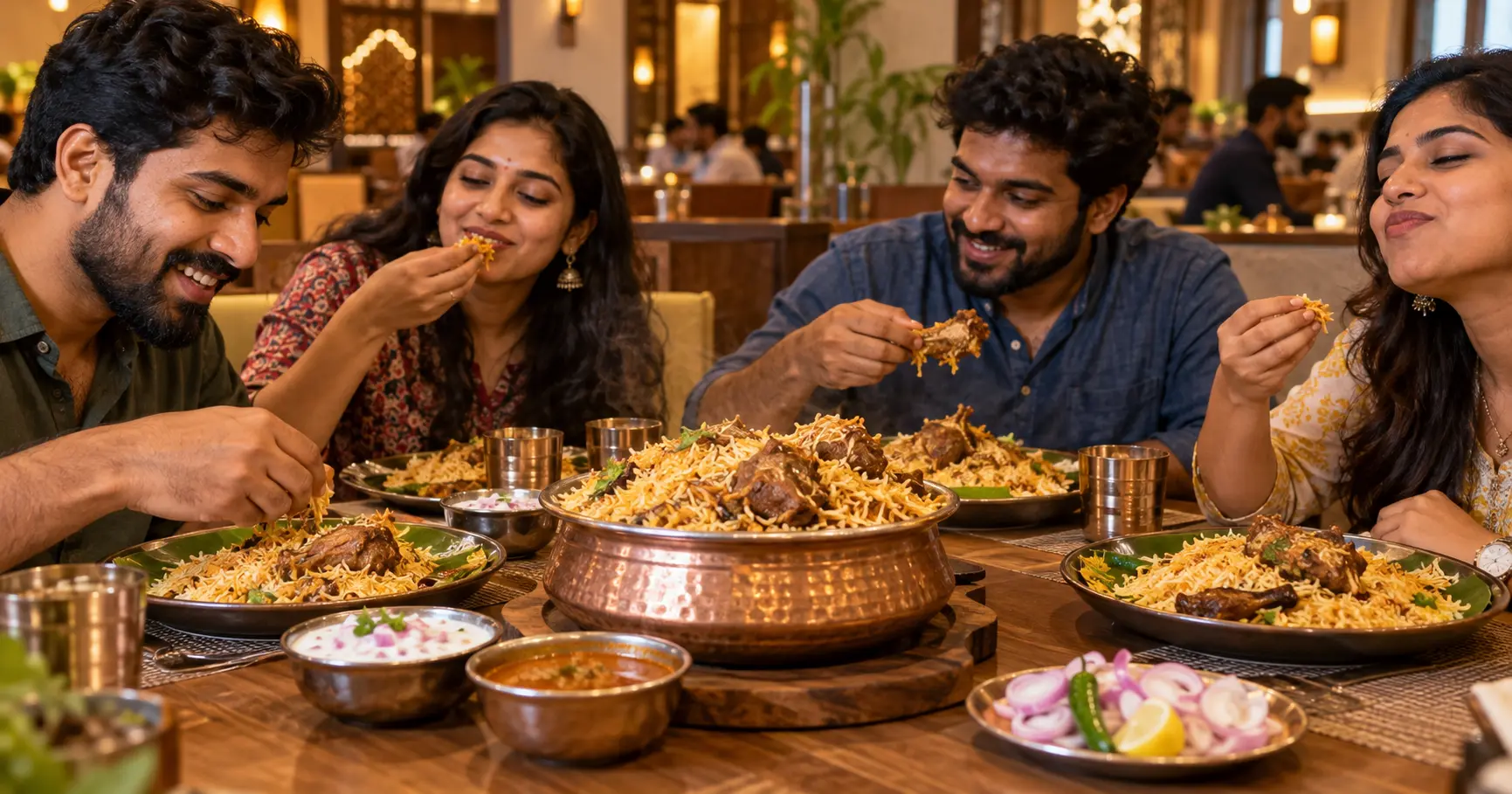
    A Seeraga Samba biryani may feel more compact and more deeply seasoned through the grain. At Salem RR Biryani in McKinney, choosing Seeraga Samba Mutton Biryani gives diners a way to experience regional style through fragrant short-grain rice and mutton. 

    When People Are Looking for Seeraga Samba Mutton Biryani Near Me? 

    When people look for Biryani near me, they are usually looking for more than a standard mutton-and-rice dish. They want the short-grain rice, aromatic character, and spice-forward style that make this biryani distinctive. 

    Three details matter: the rice should remain recognizable rather than mushy, the seasoning should reach the grains instead of sitting only on top, and the mutton should be tender enough to eat easily with the rice. 

    If you are looking for Seeraga Samba biryani near McKinney, also think about the occasion. Dine-in highlights the fresh rice texture, while takeout can work well for family dinners, office meals, or small gatherings. 

    How Should First-Time Diners Order It? 

    First-time diners should choose Seeraga Samba Mutton Biryani when they want a richer, more integrated rice-and-meat experience rather than a very light, separated biryani. Pair it with a cooling or mildly tangy side so the rice and mutton remain the focus. 

    A yogurt-based accompaniment can refresh the palate between bites. If you enjoy the heat, add a spicier appetizer, but avoid combining too many heavy dishes at once. 

    This is useful for diners who normally search for mutton biryani near McKinney but have only tried basmati versions. Changing rice can make the meal feel surprisingly different even when rice, spices, and goat meat remain familiar. 

    Why Mutton and Seeraga Samba Rice Work So Well Together 

    Mutton brings savory depth and a fuller meat flavor. Seeraga Samba rice brings a fragrance and a compact grain that can hold onto seasoning. Together, they create a biryani where the meat and rice support each other. 

    The most satisfying bites combine tender goat meat with seasoned rice and enough moisture to keep the grains flavorful without becoming greasy. 

    Diners looking for the best mutton biryani McKinney may find this rice choice useful when comparing options. Authenticity is not only about heat; it can also involve grain type, cooking tradition, and the balance between rice and meat. 

    How to Order for Takeout, Families, and Groups 

    For biryani takeout McKinney, timing matters. Biryani holds heat after packing, so it is best enjoyed soon after pickup. At home, loosen the rice gently rather than stirring aggressively, which can break the short grains. 

    For a family meal, treat biryani as the main starch and protein. A mutton biryani family pack pairs well with one contrasting appetizer and a cooling side instead of several additional rice or curry dishes. 

    For mixed groups, pair one mutton biryani with a chicken or vegetarian option. In McKinney, this setup works naturally for weekend family meals, small celebrations, office lunches, and takeout nights. 

    Frequently Asked Questions 

    Why is Seeraga Samba rice used for popular biryani? 

    Seeraga Samba rice is valued for its fragrance, short grain, and ability to absorb seasoned cooking liquids. In biryani, those qualities help the rice carry the flavor of spices, meat juices, and stock throughout the dish. The result often feels more compact and integrated than a biryani made with long-grain basmati. 

    What makes Seeraga Samba biryani different from basmati biryani? 

    The biggest difference is the grain. Basmati is long, slender, and usually prized for fluffy separation. Seeraga Samba is shorter and more compact, with a distinct aroma and a texture that holds seasoning closely. That can make Seeraga Samba biryani feel more concentrated and connected. 

    Is Seeraga Samba Mutton Biryani spicy? 

    It can be moderately to strongly spiced, but “spiced” does not always mean extremely hot. Flavor can come from aromatic spices, chilies, herbs, and meat juices as well as heat. Spice level varies by preparation, so heat-sensitive diners may prefer it with a cooling yogurt-based side. 

    Is Seeraga Samba Mutton Biryani good for takeout? 

    Yes, especially for family meals or group dining. The compact, flavorful rice travels well when packed properly. For the best texture, eat it reasonably soon after pickup and loosen the rice gently before serving. Repeated reheating can dry the mutton and soften the rice too much. 

    What should I order with Seeraga Samba Mutton Biryani? 

    Choose one contrasting side rather than several equally heavy dishes. A cooling yogurt-based accompaniment, crisp appetizer, or lighter vegetable side can balance the rich mutton and aromatic rice. For a group, adding a chicken or vegetarian biryani gives diners more variety without distracting from the main dish. 

    A Rice Choice That Changes the Whole Biryani Experience 

    Seeraga Samba Mutton Biryani suits diners who want to understand how much the rice itself can change into a familiar dish. The short-grain aromatic rice, seasoned mutton, and South Indian cooking tradition create a different experience from long-grain biryanis. 

    For McKinney diners exploring regional Indian food, Salem RR Biryani offers a relevant way to try that style. It is especially suited to people who enjoy flavorful meat, fragrant rice, family-style dining, or takeout built around one shareable main dish. 

    The broader takeaway is simple: biryani is not a single formula. Sometimes the most meaningful difference begins with the grain.

  • Seeraga Samba Mutton Biryani: A Traditional South Indian Favorite in McKinney

    Seeraga Samba Mutton Biryani: A Traditional South Indian Favorite in McKinney

    Finding truly regional Indian food outside India can be challenging because many dishes are adapted to suit wider tastes. For diners searching for Seeraga Samba Mutton Biryani McKinney, the interest is often about more than just finding a flavorful rice dish.

    They are looking for traditional ingredients, authentic preparation methods, and the cultural connection behind South Indian cuisine. 

    Unlike many popular biryanis made with long-grain rice, Seeraga Samba biryani uses a small grain aromatic rice variety that absorbs spices, meat juices, and cooking flavors beautifully. Combined with slow-cooked mutton, traditional seasoning, and regional cooking techniques, this style of biryani represents the depth of Tamil cuisine. 

    Table of Contents 

    1. What Makes Seeraga Samba Mutton Biryani Unique?  
    1. The Role of Seeraga Samba Rice in Traditional Biryani  
    1. Why South Indian Mutton Biryani Has a Distinct Flavor Profile  
    1. What Makes Seeraga Samba Mutton Biryani in McKinney Special?  
    1. How Is This Biryani Different from Other Regional Varieties?  
    1. Why Families and Groups Enjoy Regional Indian Dining  
    1. Frequently Asked Questions 

    What Makes Seeraga Samba Mutton Biryani Unique? 

    Seeraga Samba Mutton Biryani is unique because it combines traditional Tamil rice, aromatic spices, and slow-cooked mutton to create a deeply flavorful dish. The small grains of Seeraga Samba rice absorb the seasoning more evenly than larger rice varieties, creating a balanced blend of aroma, texture, and rich meat flavor. 

    Seeraga Samba rice has been used in Tamil Nadu cooking for generations. The rice grains are smaller compared to basmati, but they have a natural fragrance and a strong ability to hold flavors.  

    When prepared with tender goat meat, onions, herbs, and carefully balanced spices, every grain carries the taste of the cooking process. 

    The cooking method is also an important part of the experience. Traditional mutton biryani often requires slow cooking, allowing the meat to become tender while releasing its natural juices into the rice. This creates juicy meat pieces, fragrant rice, and layers of spice that develop gradually. 

    The Role of Seeraga Samba Rice in Traditional Biryani 

    Seeraga Samba rice is a traditional Tamil rice variety known for its small grain size, unique aroma, and ability to absorb flavors. Unlike long-grain rice varieties, it creates a softer, more integrated biryani where the rice and meat flavors blend. 

    The name “Seeraga Samba” comes from its resemblance to cumin seeds. The small grains are naturally aromatic and are commonly used in Tamil Nadu for special rice dishes, including biryani. 

    Three important qualities make this rice special: 

    1. Flavor Absorption 

    The compact grains absorb spices, meat stock, and herbs while cooking. This allows the biryani to develop a rich taste without relying only on strong seasoning. 

    2. Traditional Connection 

    Seeraga Samba rice represents regional Tamil cooking traditions. Many families associate this rice variety with celebrations, gatherings, and homemade biryani recipes passed through generations. 

    3. Distinct Texture 

    The rice creates a softer texture compared to some long-grain biryanis. Each bite offers a combination of flavorful rice grains and tender meat rather than separate layers of ingredients. 

    Why South Indian Mutton Biryani Has a Distinct Flavor Profile 

    South Indian mutton biryani stands apart because of its use of regional spices, fresh herbs, and cooking techniques. While biryani styles vary across India, Tamil-style versions often focus on creating harmony between the meat, rice, and aromatic ingredients. 

    Common elements include: 

    • Tender goat meat cooked slowly for deeper flavor 
    • Fresh mint and coriander for herbal freshness 
    • Green chilies and spices for balanced heat 
    • Fried onions for sweetness and aroma 
    • Seeraga Samba rice for a traditional texture 

    The result is not simply spicy rice with meat. A well-prepared South Indian mutton biryani reflects careful preparation where each ingredient supports the overall flavor. 

    What Is the Difference Between Seeraga Samba Biryani and Other Biryani Styles? 

    The main difference between Seeraga Samba biryani and other biryanis is the rice variety and cooking approach. Seeraga Samba uses small aromatic grains that create a softer, flavor-packed texture, while many other biryani styles use longer grains that provide a lighter and more separated rice texture. 

    For example, basmati-based biryanis often highlight the fragrance and length of the rice grains. Seeraga Samba biryani focuses more on how the rice absorbs the flavors of spices, meat, and cooking juices. 

    This makes it a preferred choice for diners who enjoy: 

    • Richer meat flavors  
    • Traditional South Indian preparation  
    • More integrated spice profiles  
    • Softer, aromatic rice texture  

    What Makes Seeraga Samba Mutton Biryani in McKinney a Regional Food Experience? 

    For diners searching for Seeraga samba biryani McKinney, the appeal comes from experiencing a regional specialty that goes beyond common Indian menu options. 

    At Salem RR Biryani McKinney, this style of biryani represents the traditional approach of combining Seeraga Samba rice with carefully prepared mutton and South Indian flavors. Located in McKinney, TX, the restaurant provides an option for locals who want to explore regional Indian cuisine while dining close to home. 

    Many Indian food lovers in McKinney look for dishes that remind them of traditional cooking from different parts of India. Regional specialties like Seeraga Samba Mutton Biryani help introduce diners to the variety within Indian cuisine. 

    How Is South Indian Cuisine Different from North Indian Cuisine? 

    South Indian cuisine is often recognized for its use of rice-based dishes, regional spices, fermented foods, coconut, curry leaves, and distinctive cooking methods. North Indian cuisine commonly emphasizes wheat-based breads, dairy ingredients, and richer gravies, while South Indian food highlights rice and spice balance. 

    Both cuisines offer diverse flavors, but they reflect different agricultural traditions and regional ingredients. 

    South Indian favorites include: 

    • Biryani prepared with regional rice varieties  
    • Dosa and idli made from fermented batter  
    • Seafood specialties  
    • Rice-based meals with flavorful accompaniments  

    Exploring these differences helps diners appreciate why dishes like Seeraga Samba Mutton Biryani have such cultural importance. 

    Why Do Families Prefer Regional Indian Restaurants? 

    Families often choose regional Indian restaurants because they offer familiar flavors while introducing younger generations to traditional cuisine. Meals like biryani are commonly connected with celebrations, gatherings, and special occasions. 

    In McKinney, where the dining scene continues to grow, restaurants featuring regional Indian dishes provide opportunities for families and communities to enjoy food traditions together. 

    Whether it is a weekend meal, family gathering, or casual lunch, dishes like mutton biryani create a shared dining experience. 

    What Makes Authentic Mutton Biryani Near Me Worth Trying? 

    Looking for authentic mutton biryani usually means diners want more than convenience. They want quality ingredients, traditional preparation, and flavors that represent the cuisine. 

    A good mutton biryani depends on several factors: 

    • Quality meat selection  
    • Proper marination  
    • Balanced spices  
    • Correct rice-to-meat ratio  
    • Careful cooking time 

    When these elements come together, the biryani delivers tender goat meat, fragrant rice, and a satisfying depth of flavor. 

    Frequently Asked Questions 

    What makes Seeraga Samba Mutton Biryani different from regular biryani? 

    Seeraga Samba Mutton Biryani uses a traditional Tamil rice variety known for its small grains and strong flavor absorption. The rice blends closely with spices and slow-cooked mutton, creating a softer texture and richer taste compared with many long-grain biryani varieties. 

    Is Seeraga Samba rice healthier than regular biryani rice? 

    Seeraga Samba rice is valued mainly for its traditional use, aroma, and texture. Like other rice varieties, its nutritional value depends on portion size and preparation methods. Its main appeal in biryani comes from its ability to absorb flavors while maintaining a distinct regional character. 

    What should I order if I have never tried South Indian mutton biryani? 

    First-time diners can start with Seeraga Samba Mutton Biryani because it represents a traditional South Indian preparation style. The combination of aromatic rice, tender mutton, and balanced spices makes it a good introduction to regional biryani flavors. 

    Are vegetarian options available at South Indian restaurants? 

    Yes, many South Indian restaurants offer vegetarian dishes alongside meat-based specialties. Diners can explore options such as dosa, vegetarian rice dishes, appetizers, and traditional sides while experiencing the variety of South Indian cuisine. 

    Seeraga Samba Mutton Biryani is a meaningful choice for diners who enjoy discovering regional food traditions rather than only familiar Indian dishes. Its connection to Tamil cuisine, traditional rice variety, and slow-cooked preparation make it especially appealing to those looking for authentic flavors. For McKinney diners exploring Indian cuisine, Salem RR Biryani McKinney offers an opportunity to experience this traditional style while enjoying a regional specialty within the local food community.